When mentioning Cao Bang, travel enthusiasts immediately think of this northern region with its majestic, pristine natural landscapes and cool climate throughout all four seasons. Furthermore, Cao Bang is famous for its many primeval forests and dense network of rivers and streams. This has contributed to making it a favorite destination for nature-loving travelers.
1. Ban Gioc Waterfall
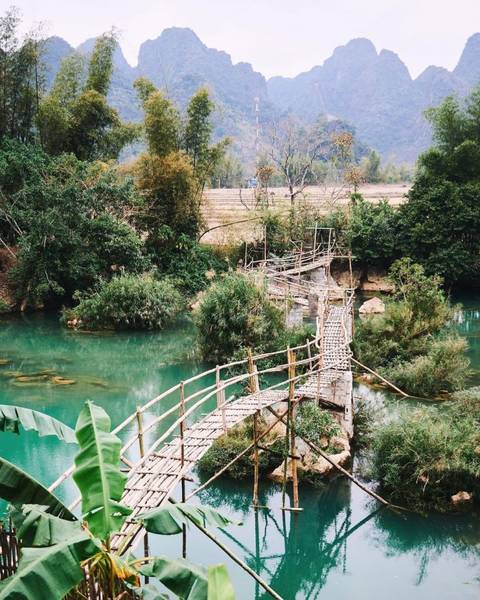
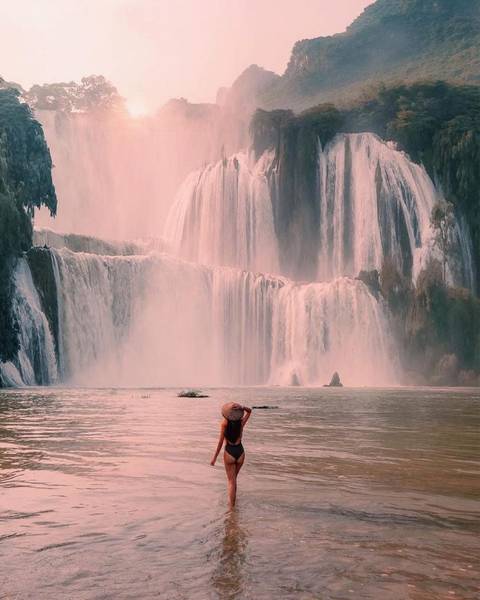
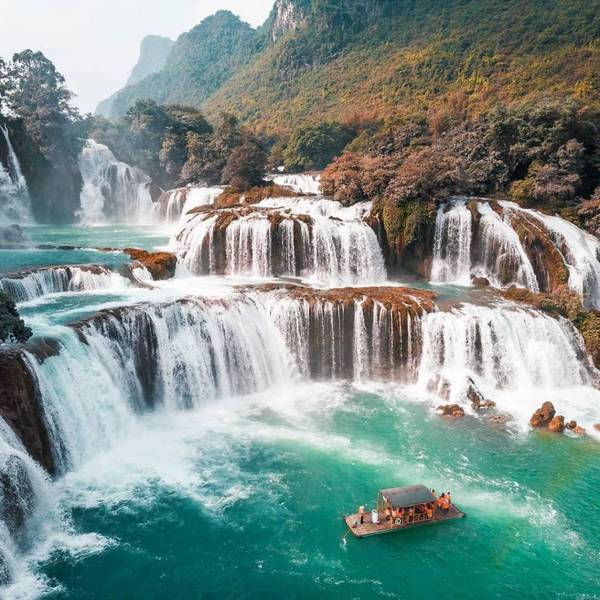
Ban Gioc Waterfall has been listed among the most beautiful waterfalls in Southeast Asia and is also one of the top four largest waterfalls in the world. Located at the border between China and Vietnam, Ban Gioc resembles a pristine white silk ribbon amidst the mountains and forests of Cao Bang, cascading down into the emerald-colored Quay Son River.
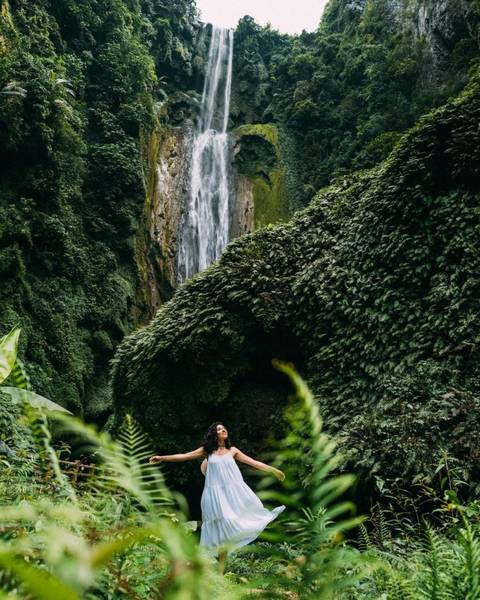
The defining feature of this waterfall is its unique tiered structure, with water cascading through layers of limestone and vegetation. At the foot of the falls are the houses and lush green rice fields of the Nung and Tay ethnic groups.
Ban Gioc Waterfall is located about 100km from the center of Cao Bang, so you can get there by bus or motorbike. The ideal time to visit is from August to November. August and September mark the end of the rainy season in Cao Bang, resulting in abundant and exceptionally clear water. October is the rice harvest season, and November is when the wild sunflowers bloom profusely.
2. Ma Phuc Pass
Ma Phuc Pass is the most beautiful pass in Cao Bang province and a popular check-in spot that amazes travelers with its majestic natural beauty. Located in Tra Linh district, the pass is approximately 3.5 km long and 700m high (above sea level). True to its name, Ma Phuc Pass "stretches" across the limestone mountain and valley, creating an image resembling a horse.
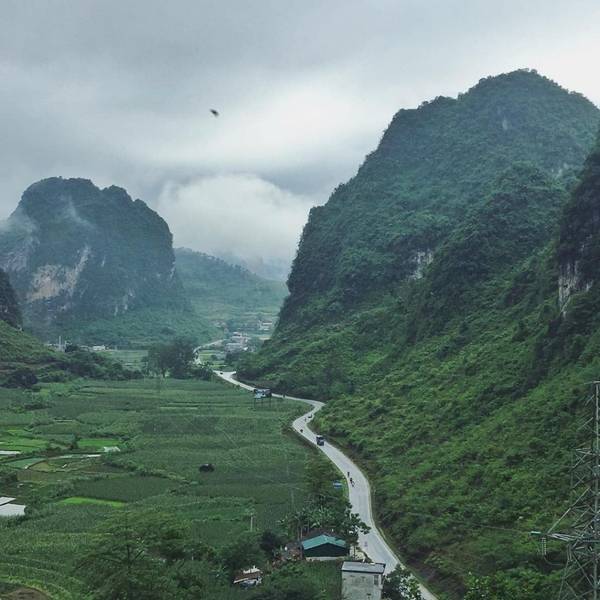
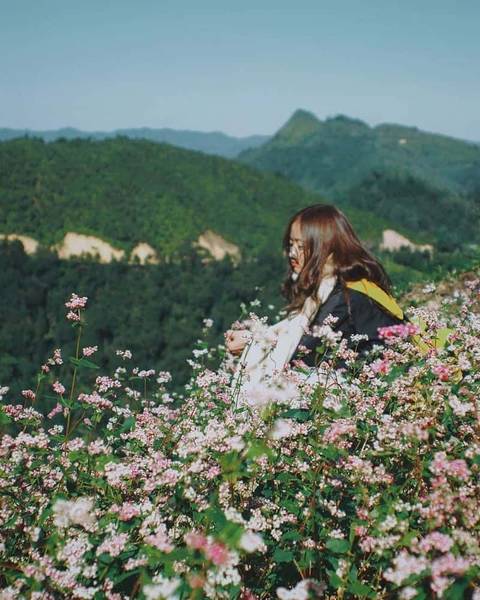
The pass is among the most treacherous roads in Vietnam. Furthermore, Ma Phuc Pass is classified as a geological heritage site within the Non Nuoc Cao Bang Global Geopark, recognized by UNESCO. The best time to visit is in early winter (buckwheat flower season) and spring (rice and corn planting season).
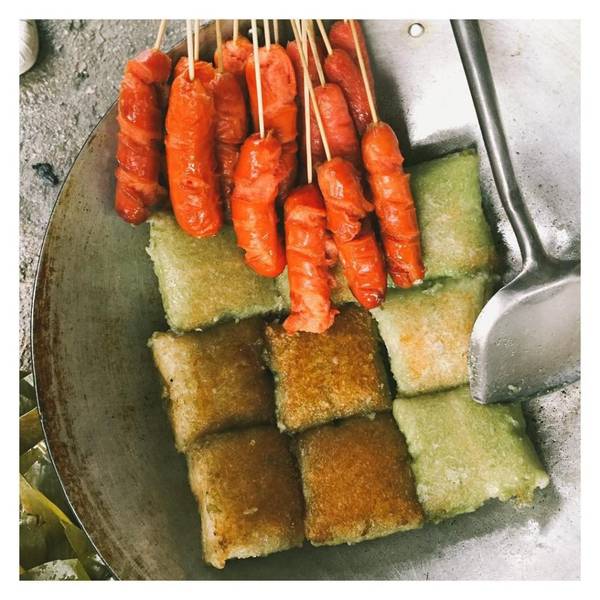
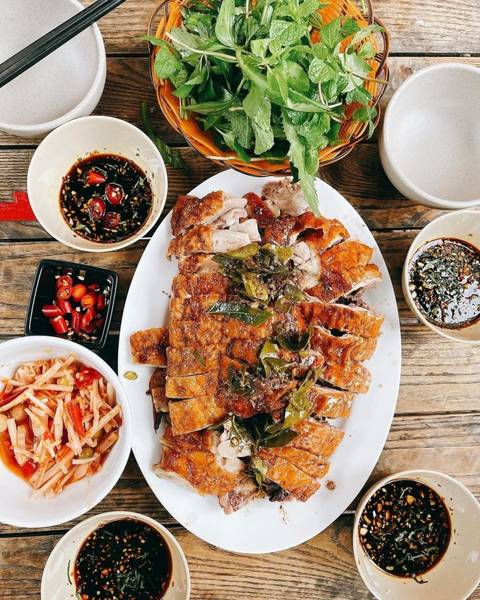
Besides its majestic mountains, Ma Phuc Pass also welcomes visitors with its traditional market and local delicacies such as seven-flavor roast duck, sticky rice cake (che lam), and rice flour cakes (khao).
3. Thang Hen Lake
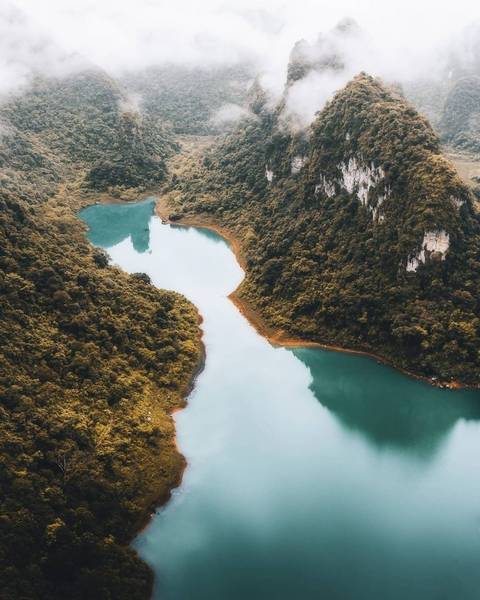
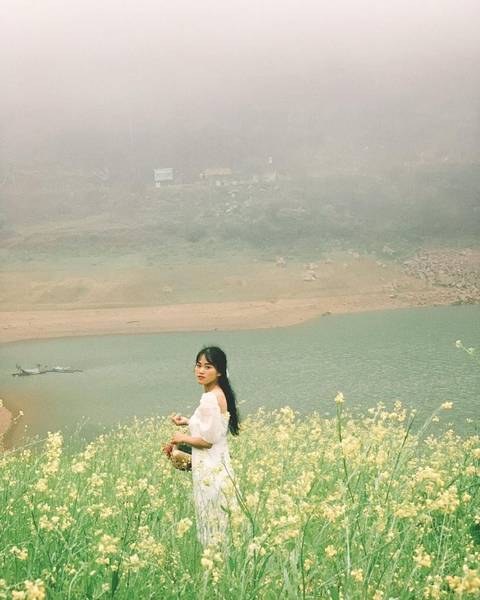
Located in Tra Linh district, Thang Hen Lake is one of the most famous tourist destinations in Cao Bang. The lake is part of a complex of 36 natural lakes situated at an altitude of nearly 1700m and connected by an underground cave system. Among them, Thang Hen Lake is the largest and attracts the most travelers.
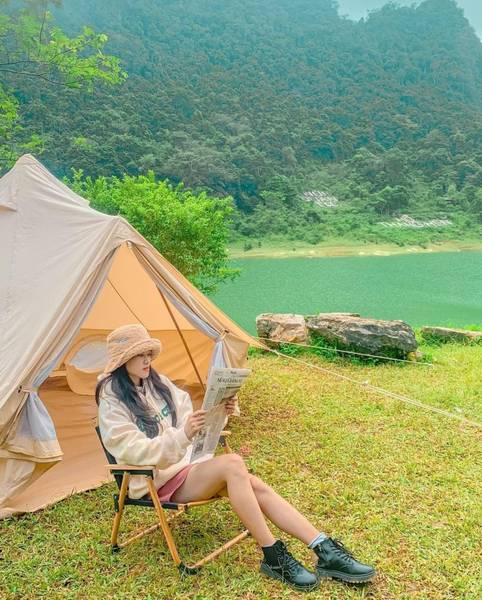
This lake boasts some of the most beautiful scenery in Northern Vietnam, with its emerald green water reflecting the sky and clouds. Surrounding the lake are pristine forests and carpets of wildflowers. Although the lake water turns murky during the rainy season, the scenery remains as beautiful as a watercolor painting amidst the mountains and forests of Northeast Vietnam.
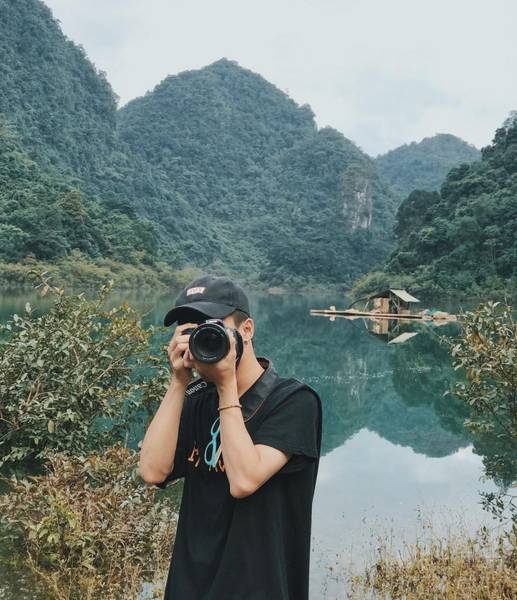
When you visit Thang Hen Lake, you can stroll around the lake, take a boat trip to explore nature, or check in at nearby locations such as the lonely rock formation, the wild sunflower garden, the ancient house in Lung Tao, or Ma Phuc Pass. Traveloka suggests you visit Thang Hen Lake early in the morning to catch the incredibly beautiful sunrise.
4. Nguom Ngao Cave
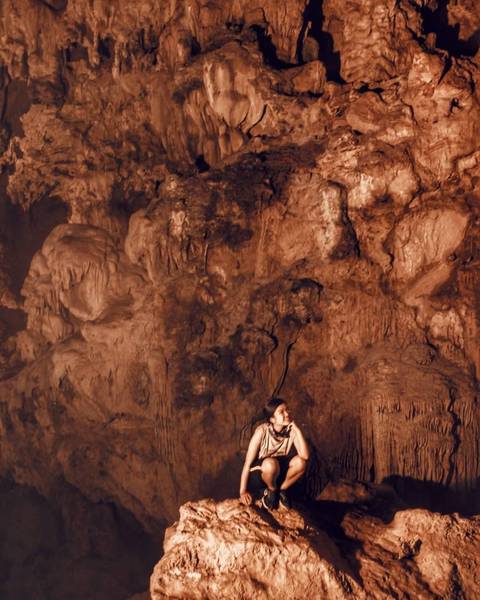
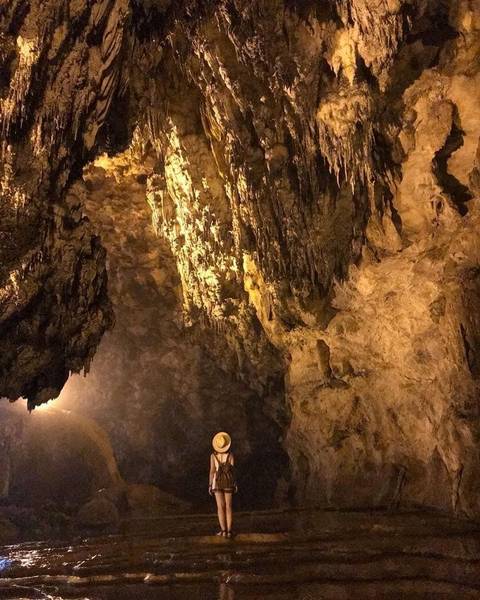
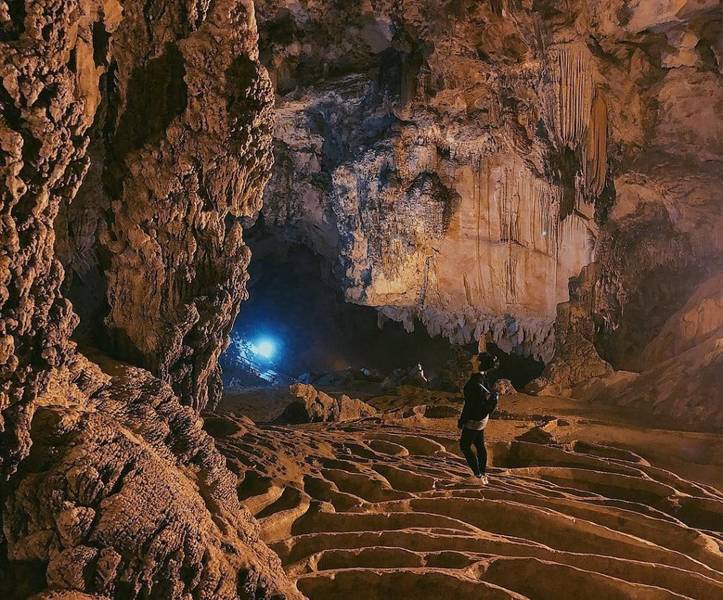
Although it has existed for over 400 million years, Ngườm Ngao Cave was only opened to tourism in 1996. In the Tay language, the name Ngườm Ngao means "tiger cave". Hidden in the mountains of Trùng Khánh district, this is a limestone cave stretching over 2100 meters.
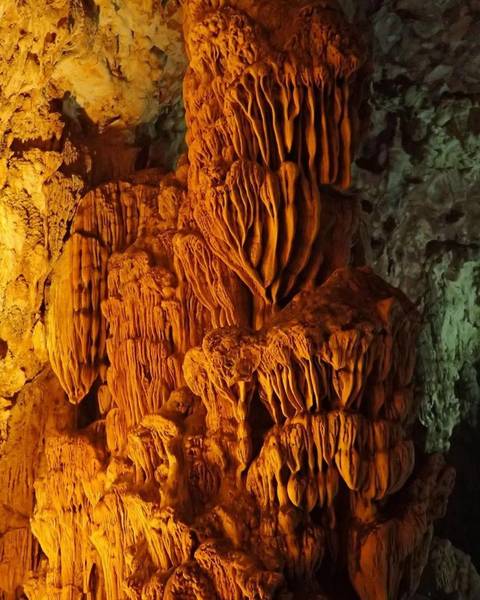
Ngườm Ngao has three main entrances: Ngườm Lồm, Ngườm Ngao, and Bản Thuôn. Stepping inside Ngườm Ngao Cave, you will be overwhelmed by the magnificent natural scenery of this Cao Bằng tourist destination. Stalactites and stalagmites with unique shapes and eye-catching colors "grow" in every nook and cranny.
In particular, the temperature inside the cave is quite ideal, cool in summer and warm in winter. Inside the cave, there are also small streams flowing with a pleasant, soothing sound. Ngườm Ngao Cave is only about 5km from Bản Giốc Waterfall, so you can choose tours that combine visiting Bản Giốc Waterfall with visiting this cave.
5. Nghieu Son Linh
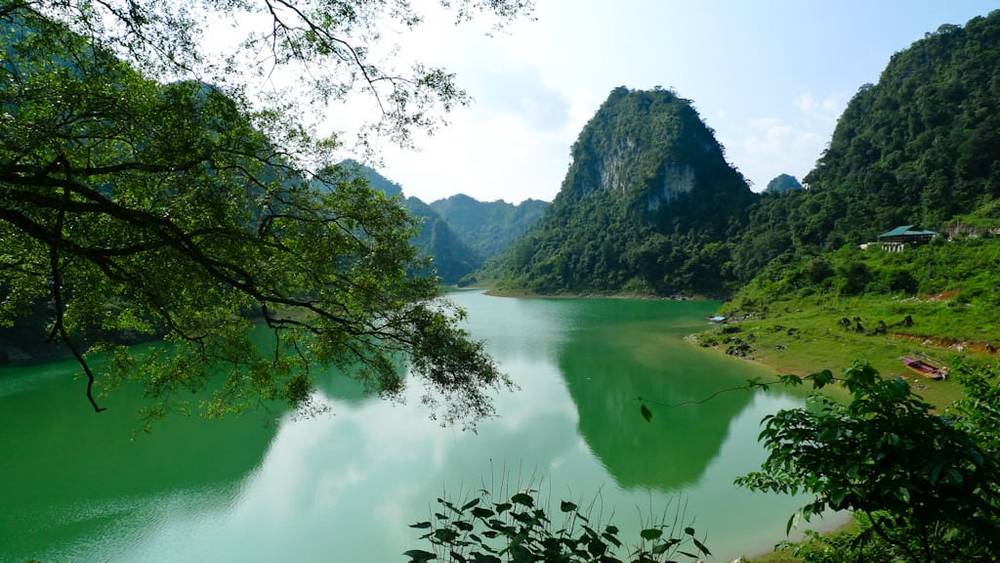
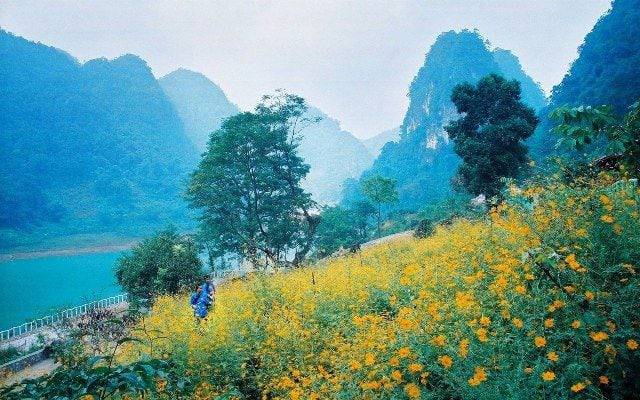
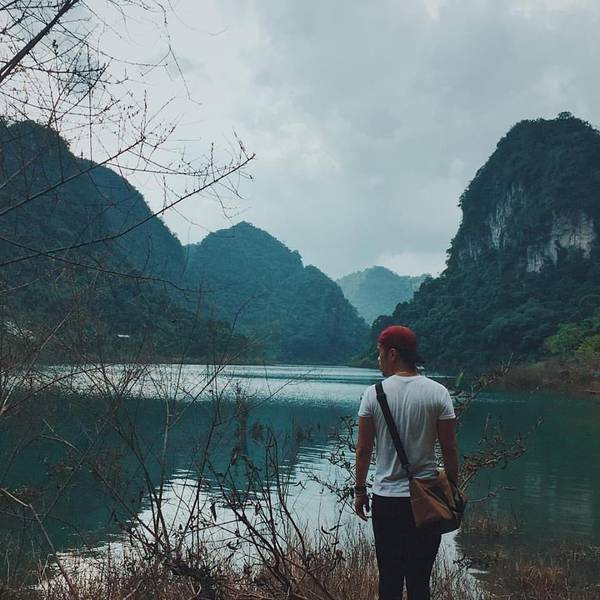
Located just about 2km from the center of Cao Bang city, Nghieu Son Linh is a mountain range situated on the right bank of the tranquil Bang River. This area is not only a mountainous region with picturesque scenery but also deeply connected to the history of Cao Bang. In the past, it served as a military base against invaders from the North, but later became deserted due to being covered by dense forests.
Nghieu Son Linh has two peaks: Khau Thuoc and Khau Khieu. Nestled between these two mountains is the Na Lu fortress and extremely treacherous slopes. Currently, only a 15-meter-wide section of the fortress remains at the foot of the mountain.
6. Pac Bo historical site
When mentioning check-in locations in Cao Bang, the Pac Bo historical site cannot be overlooked. This is not only a historically significant site but also boasts breathtaking natural scenery. Covering an area of over 500 hectares, it is divided into several clusters of historical sites associated with President Ho Chi Minh's daily life. Among them, Coc Bo Cave, Lenin Stream, Milestone 108, and Gooc Mu rice fields are the most famous destinations.
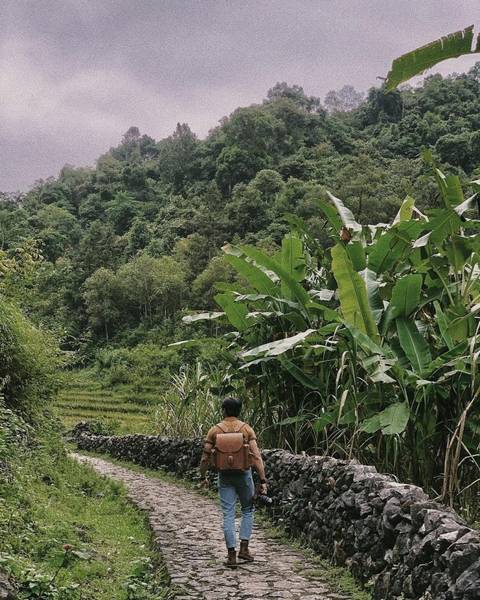
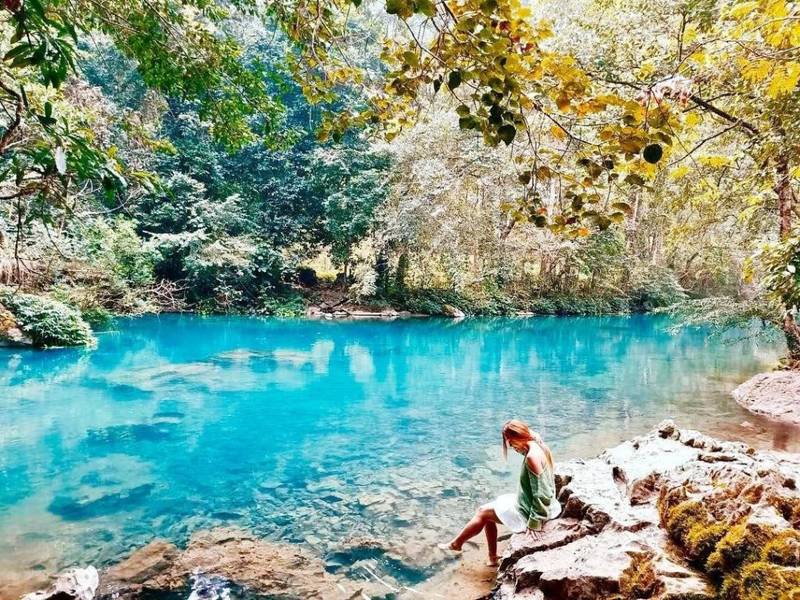
The Pac Bo historical site is beautiful in every season; however, you should visit during the dry season (May - September). At this time, the nature in Pac Bo is at its greenest, the Lenin Stream flows gently, and the weather is ideal for exploring the area.
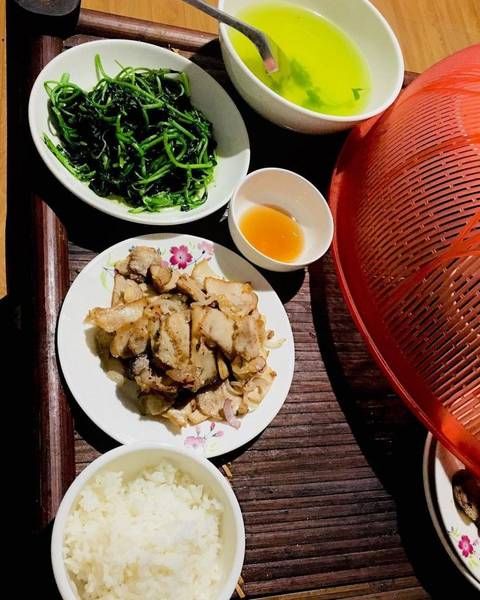
Located more than 50km from the city center, the road to Pac Bo also passes through many famous tourist destinations in Cao Bang such as Ban Gioc Waterfall, Thang Hen Lake… When you come here, remember to enjoy all the local specialties of Cao Bang such as sour pho, Pac Bo bamboo rice, sausages…
7. Truc Lam Ban Gioc Buddhist Temple
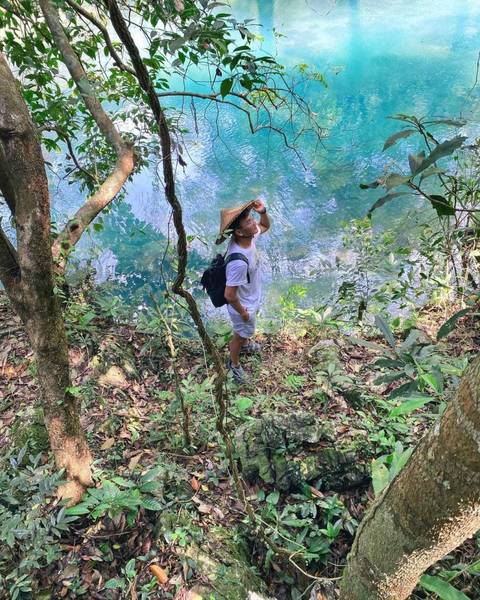
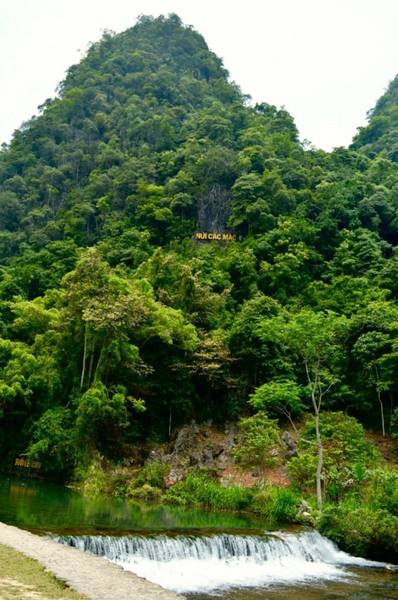
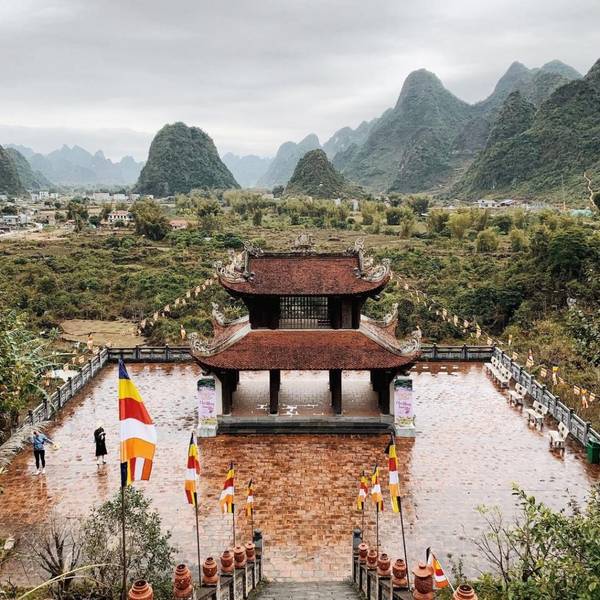
This is one of the first temples to appear in the Northeast region of Vietnam. Nestled against the Phia Nham mountain, the Truc Lam Ban Gioc Buddhist Temple is built on a 3-hectare site. From the temple, you can enjoy a panoramic view of Ban Gioc waterfall and the valley below.
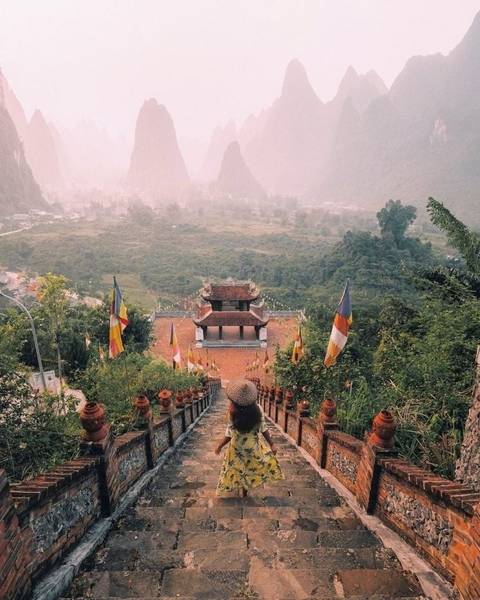
The pagoda is divided into several areas such as the triple-arched gate, the main sanctuary, the statue garden, and the shrine… The entire pagoda is designed in the traditional Vietnamese architectural style with familiar materials such as ironwood, bricks, and tiles…
The best time to visit the pagoda is early morning and late afternoon when the area is bathed in the light of sunrise or sunset. Therefore, this place is not only a famous spiritual tourist destination but also an ideal location for sightseeing in Cao Bang.
8. Cao Bang Ancient Stone Village
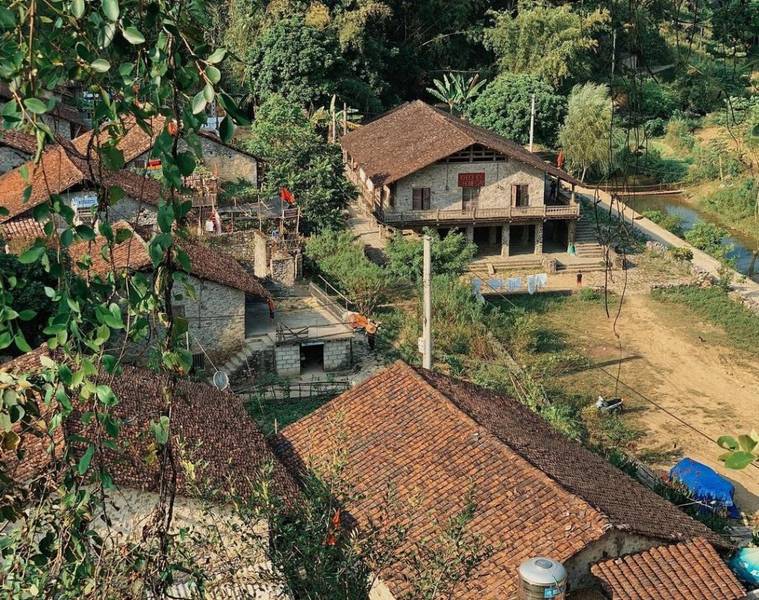
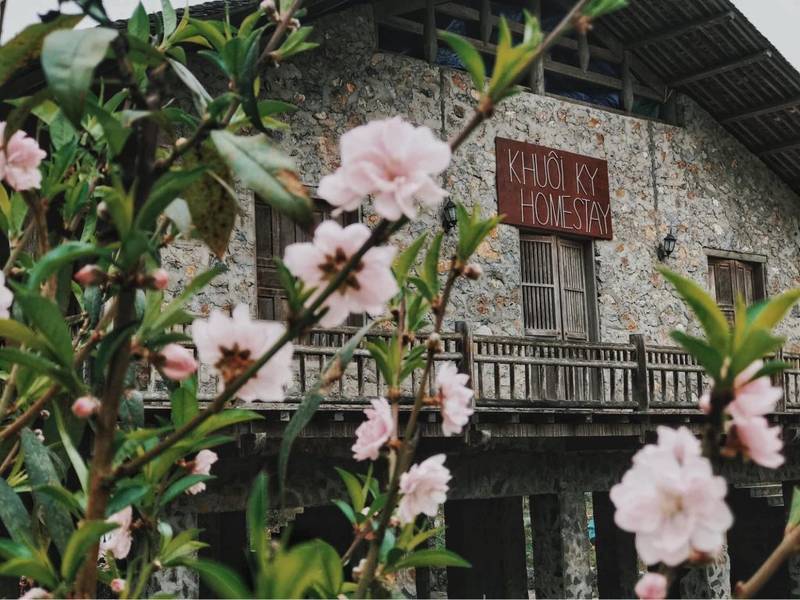
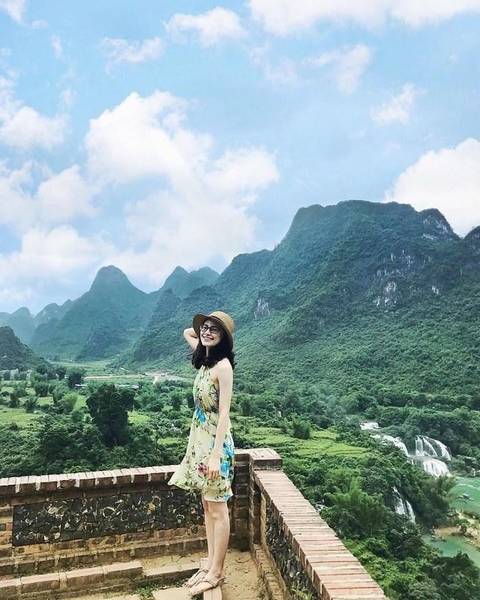
Located within the Ban Gioc Waterfall tourist area, Khuoi Ky village is over 400 years old, situated 100km from the center of Cao Bang. Nestled against a limestone mountain and covering an area of approximately 1 hectare, it is home to over 14 households of the Tay ethnic group.
A special feature of this ancient Cao Bang tourist destination is its stone houses, built around 1594. The overall architecture of these houses follows the traditional style – three-bay houses with tiled roofs and stone foundations.
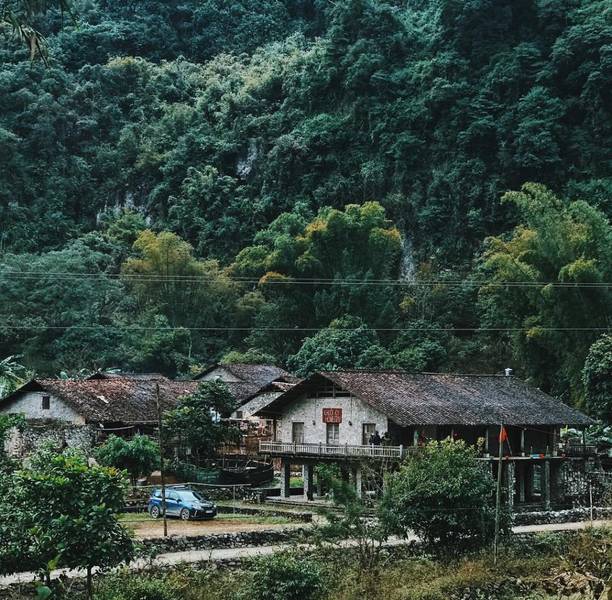
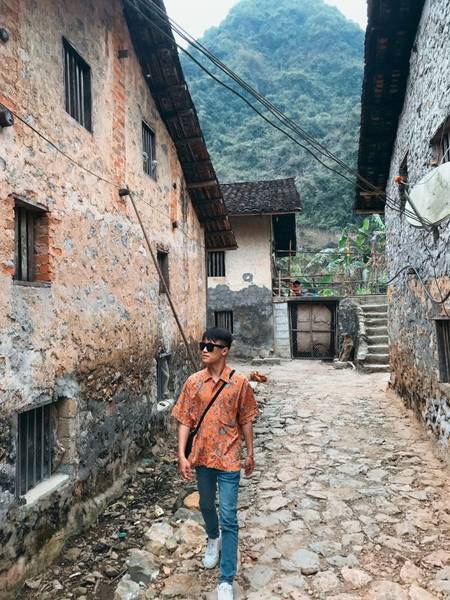
Not only houses, but stones are found everywhere in Khuoi Ky village, from fences, stoves, mills to water dams. Therefore, Khuoi Ky is often called the ancient stone village. There are only a few homestays run by locals in the village, offering very affordable accommodation. You can contact homestays in Khuoi Ky village in advance to ensure room availability.